International Geomineral Park Raibl
Cave del Predil, Largo Giuseppe Mazzini 7
33018 Tarvisio (UD)
June to September:
09:00 AM – 12:30 AM
01:30 PM – 06:00 PM
October to May:
10:00 AM – 01:00 PM
02:00 PM – 05:30 PM
valid for children aged 7 to 17, seniors over 65, and groups of 10 or more people
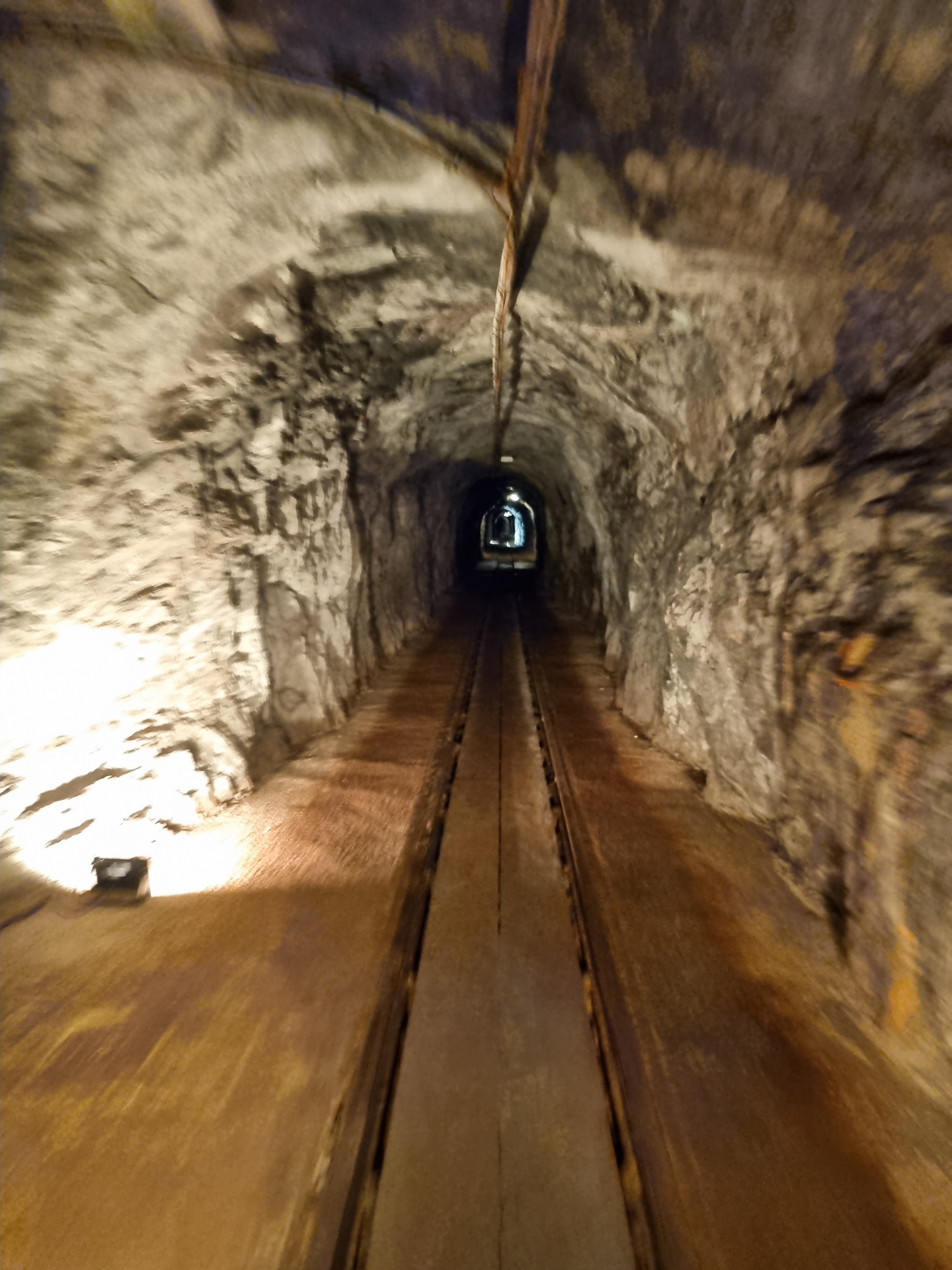
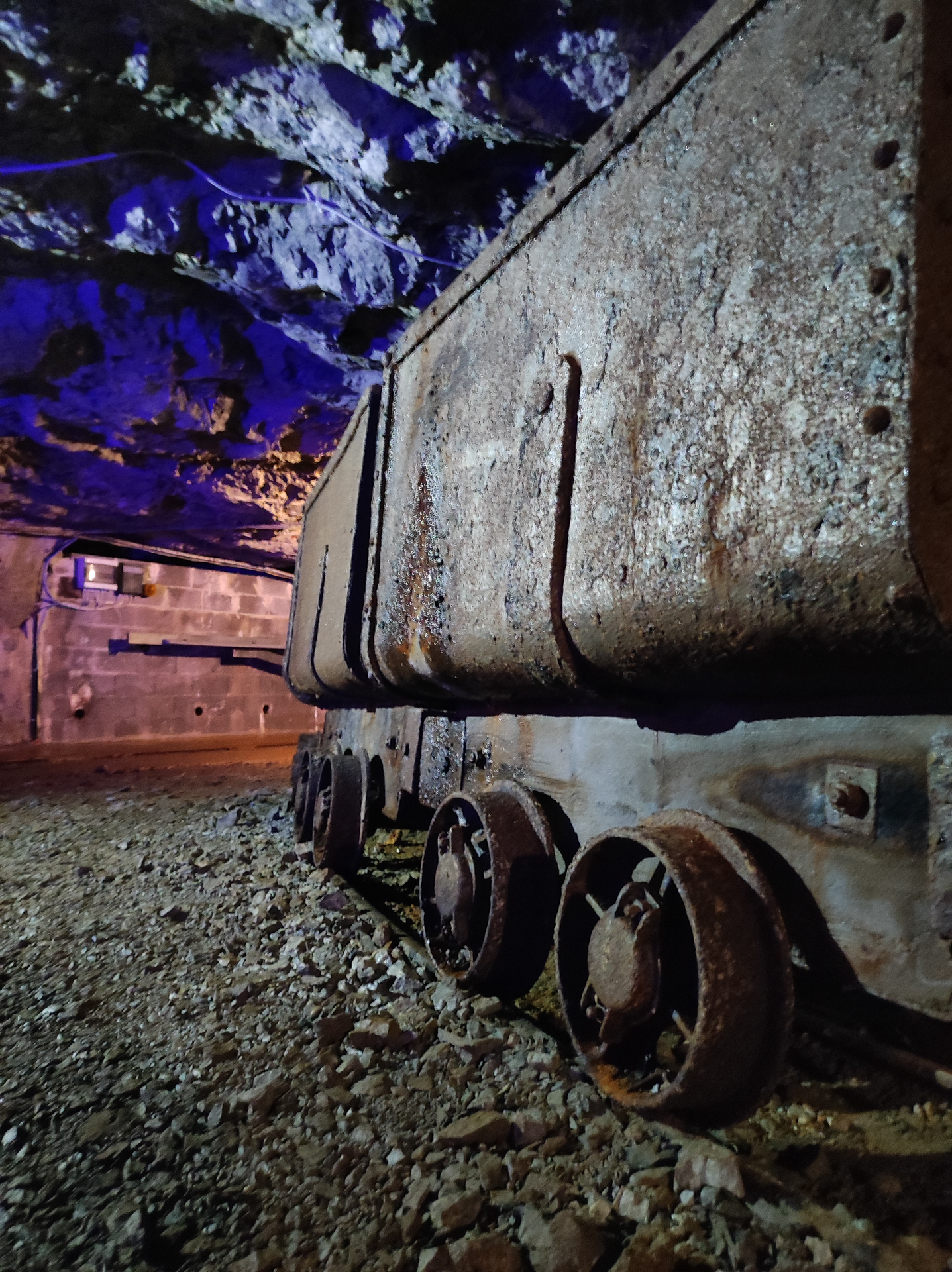
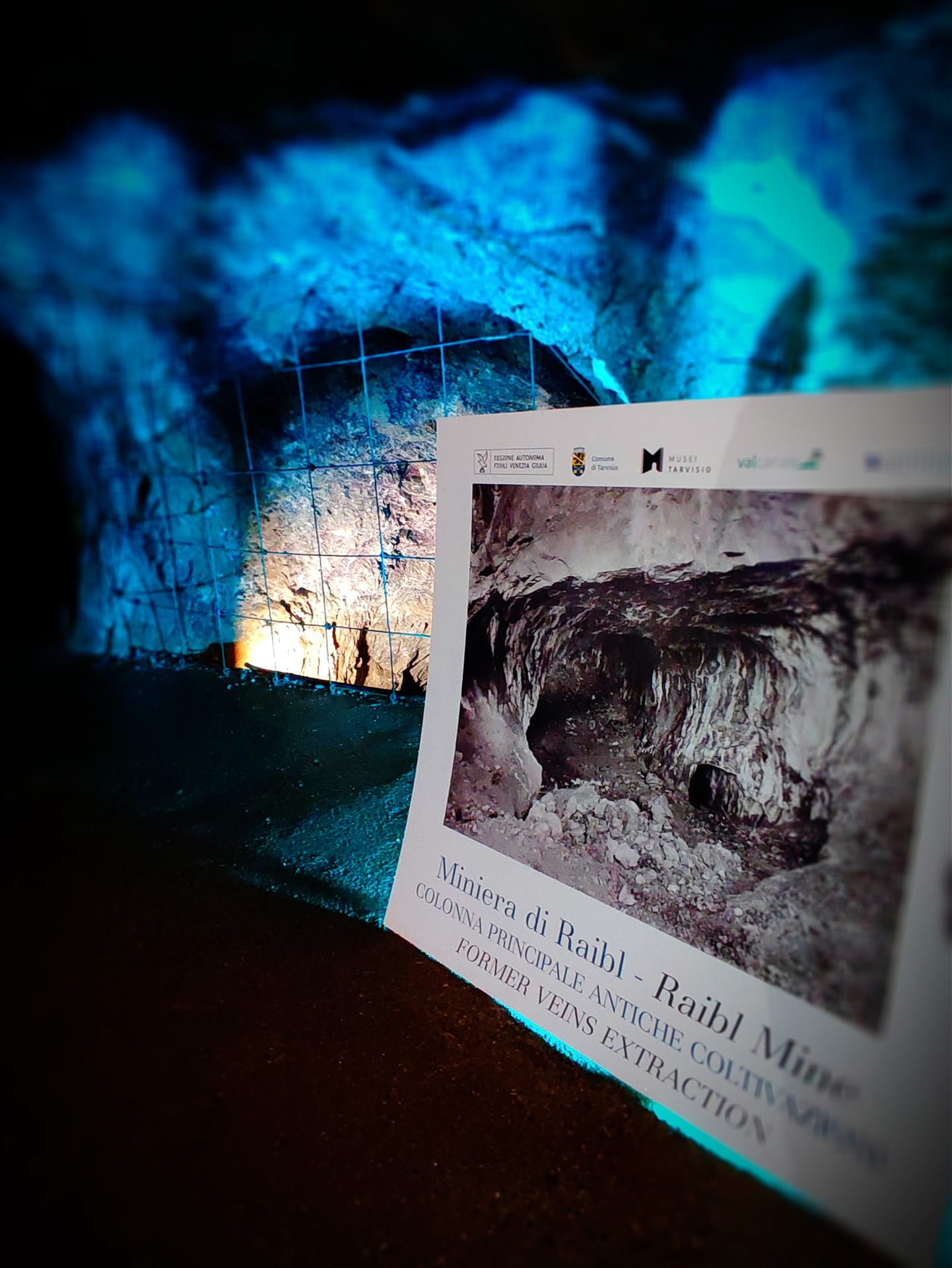
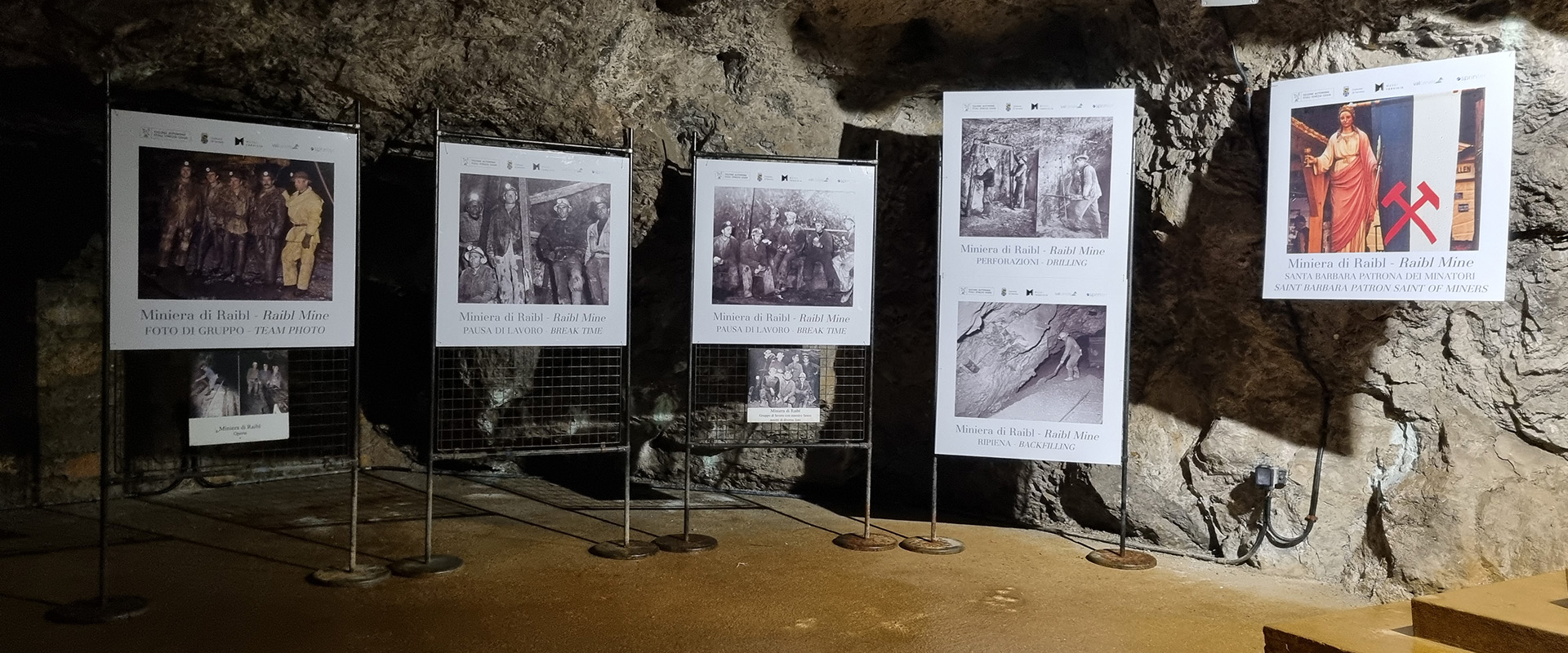
One of the most historic mines for zinc and lead extraction in all of Europe, with the first records dating back to the early 14th century. The oldest maps of the mining complex date to the late 1700s.
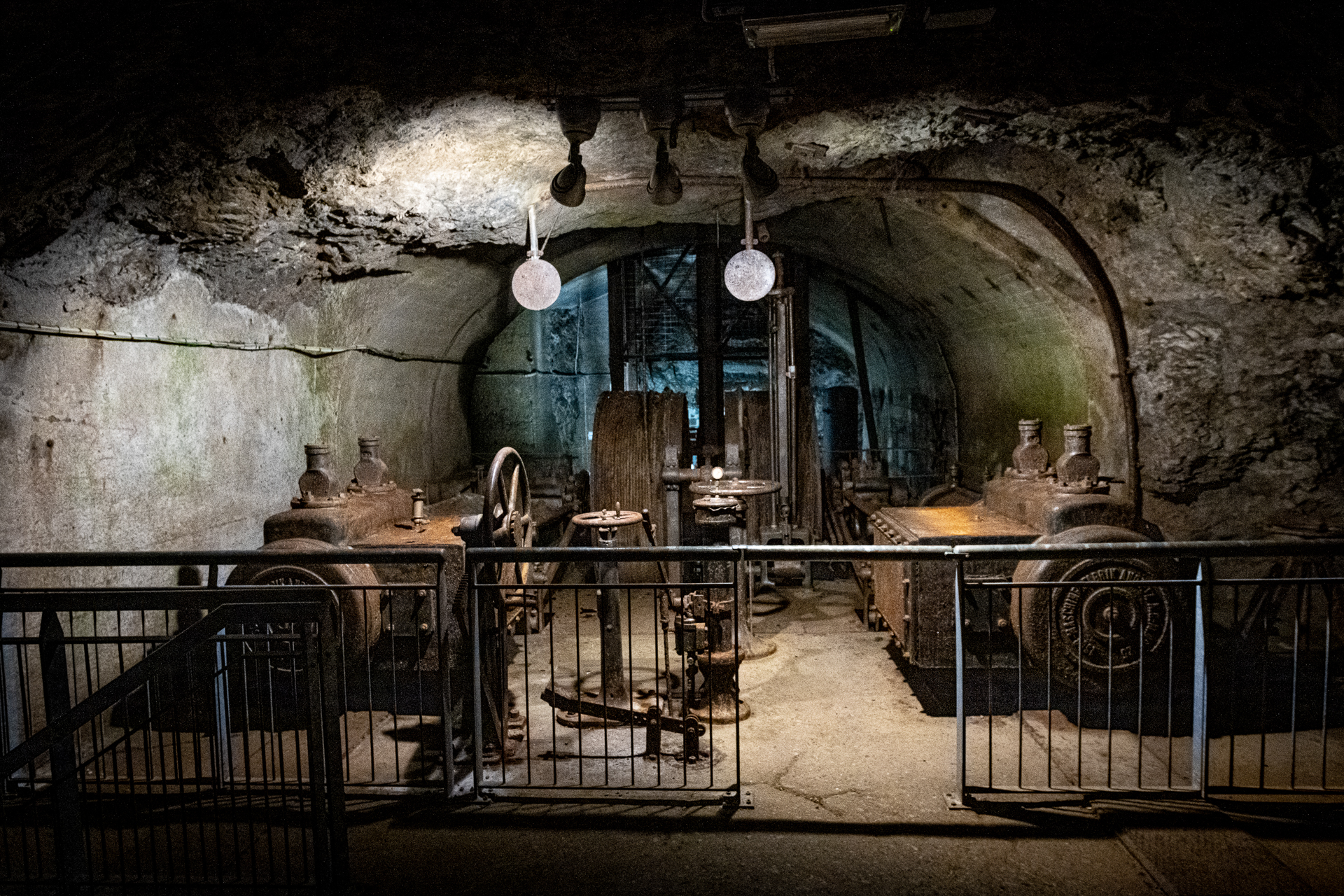
In 1898, the first hydroelectric power station was built in Muda, which is still operational today with a capacity of 300 kWh, supplying electricity to the mine and to the Clara shaft hoist. The adjacent village, Raibl, was one of the first to benefit from electric lighting in homes and public streets.
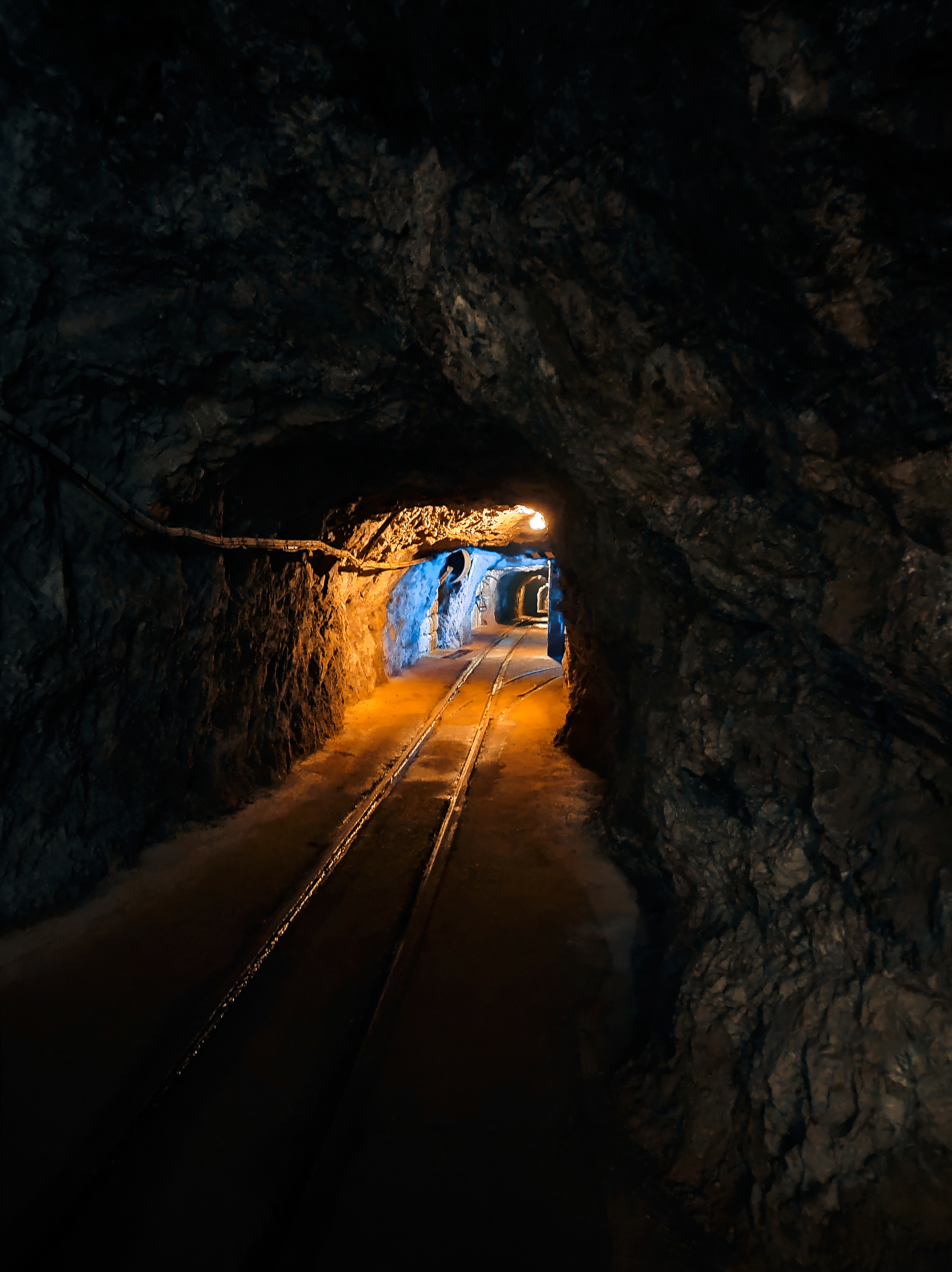
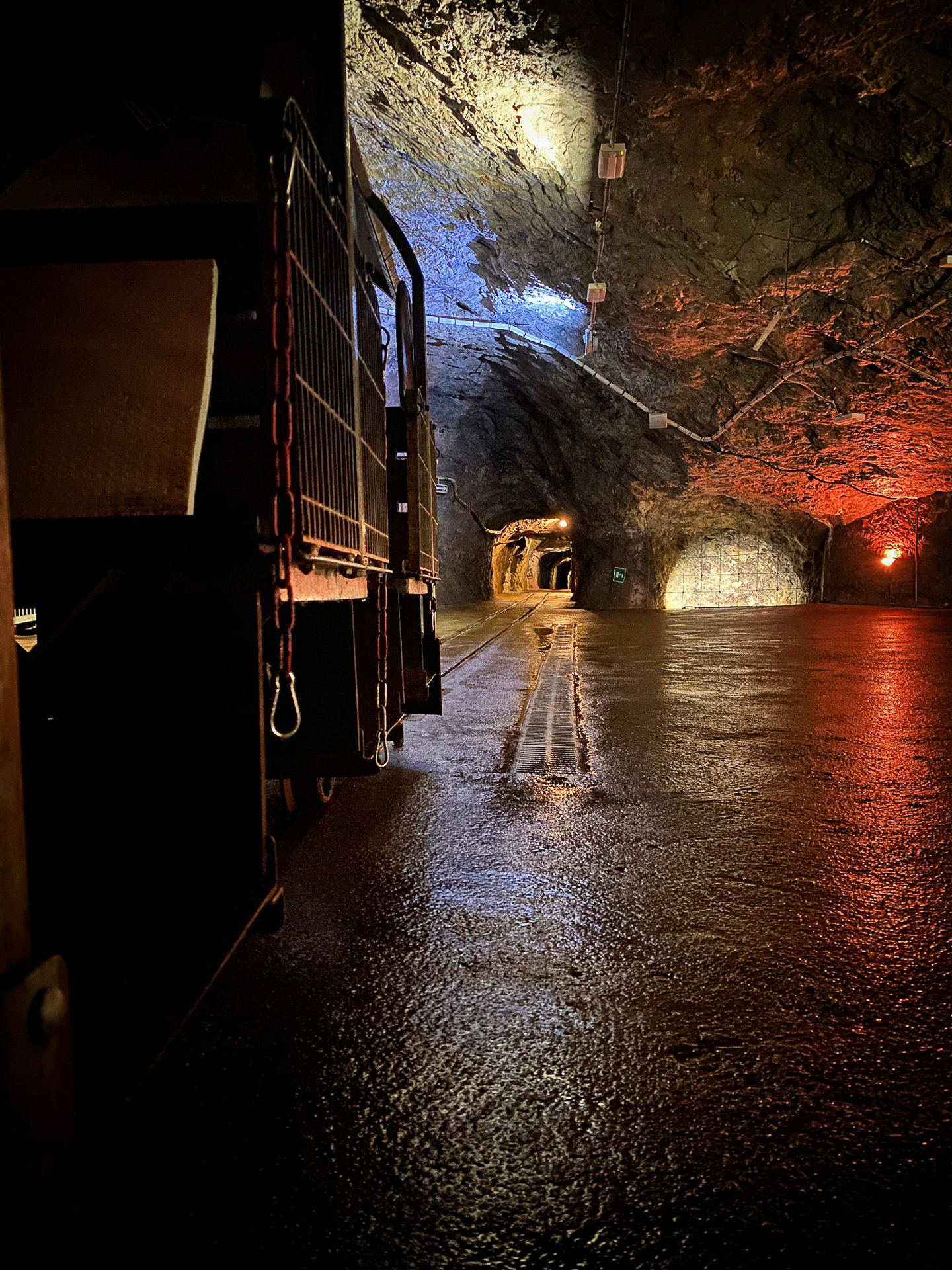
The Raibl Mine extends 500 meters deep, with nineteen levels, and rises another 500 meters above the base level, with three additional levels above zero, for a total of 23 levels and 130 kilometers of tunnels.
In 1919, the mine became property of the Italian state, and from 1923 it was managed by Engineer Gioacchino Nogara.
In 1943, the first geological section for studies and research was established, supported by petrographic analysis.
During the 1960s, the Clara shaft was deepened to 520 meters, and the tunnels became a true underground labyrinth, spread across the various levels, for a total elevation difference of 1,000 meters.
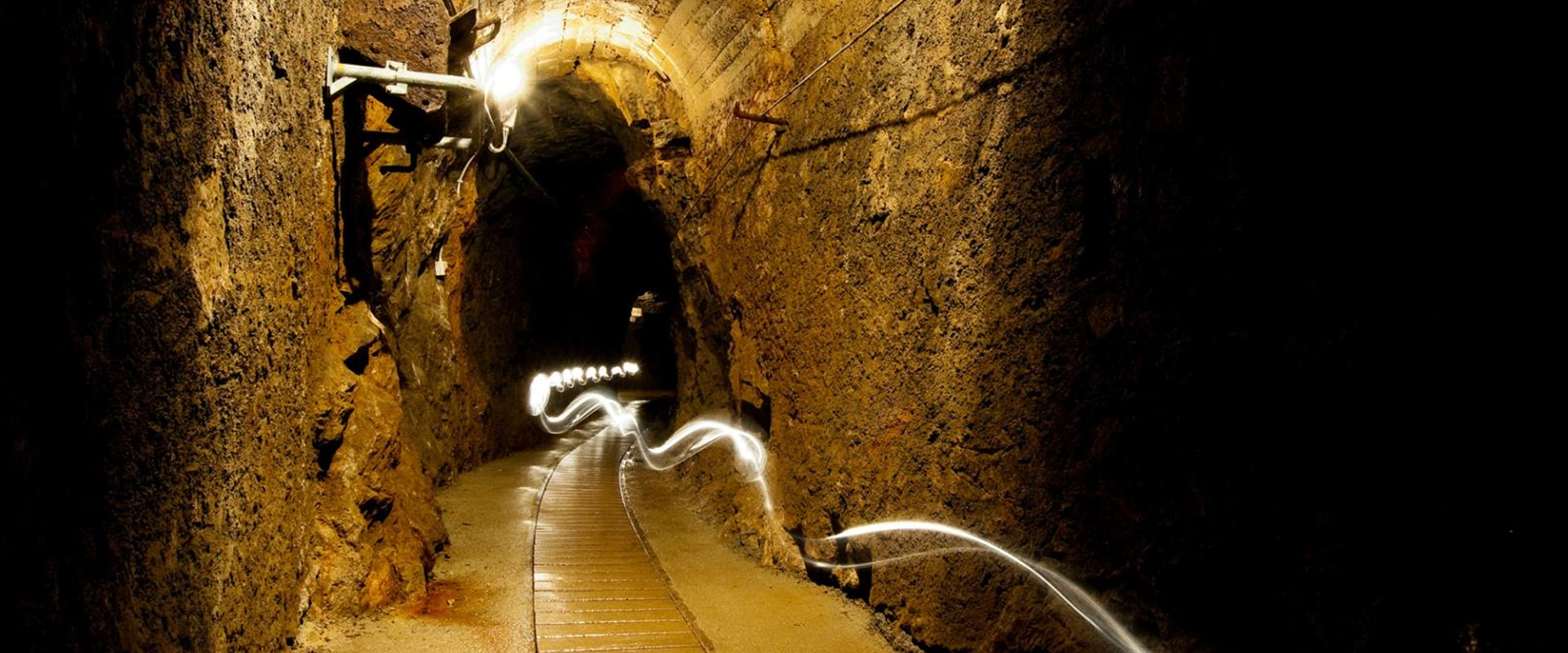
In 1905, the Bretto tunnel was inaugurated, located 250 meters underground. It is a 5-kilometer-long gallery connecting two communities. After World War II, it hosted the deepest border crossing in Europe, marking a state boundary underground.
The mine was one of the largest industrial enterprises in Friuli and was considered one of the best in Europe in the field of blende and galena (zinc and lead) production.